



How to Add Binance SFP Token to Your Wallet and Use It on Binance Exchange
If you are exploring the world of decentralized finance, the SFP token is an asset worth understanding. SFP, or SafePal, is the native utility token of the SafePal ecosystem, a cryptocurrency wallet that integrates with the Binance ecosystem. Many users ask: how can I add the SFP token to my wallet and then use it on Binance Exchange? This article explains the process step by step while also addressing common mistakes.
First, you need to understand the difference between a wallet and an exchange. A wallet, such as SafePal, is a tool for storing your private keys and managing your cryptocurrency assets. Binance Exchange, on the other hand, is a centralized trading platform where you can buy, sell, and trade tokens like SFP. To use SFP on Binance, you must first ensure your wallet is configured correctly.
To add SFP to your SafePal wallet, follow these steps. Open the SafePal app and navigate to the "Add Token" section. Since SFP is a BEP-20 token built on the Binance Smart Chain, you need to select the Binance Smart Chain network. Then search for "SFP" in the token list. If it does not appear automatically, you can manually add the token by entering the contract address. The official SFP contract address for BEP-20 is 0xD41FDb03Ba84762dD66bC1eEa2d8b6c9F1F1c2e5. Always verify this address on the official SafePal or Binance website to avoid scams.
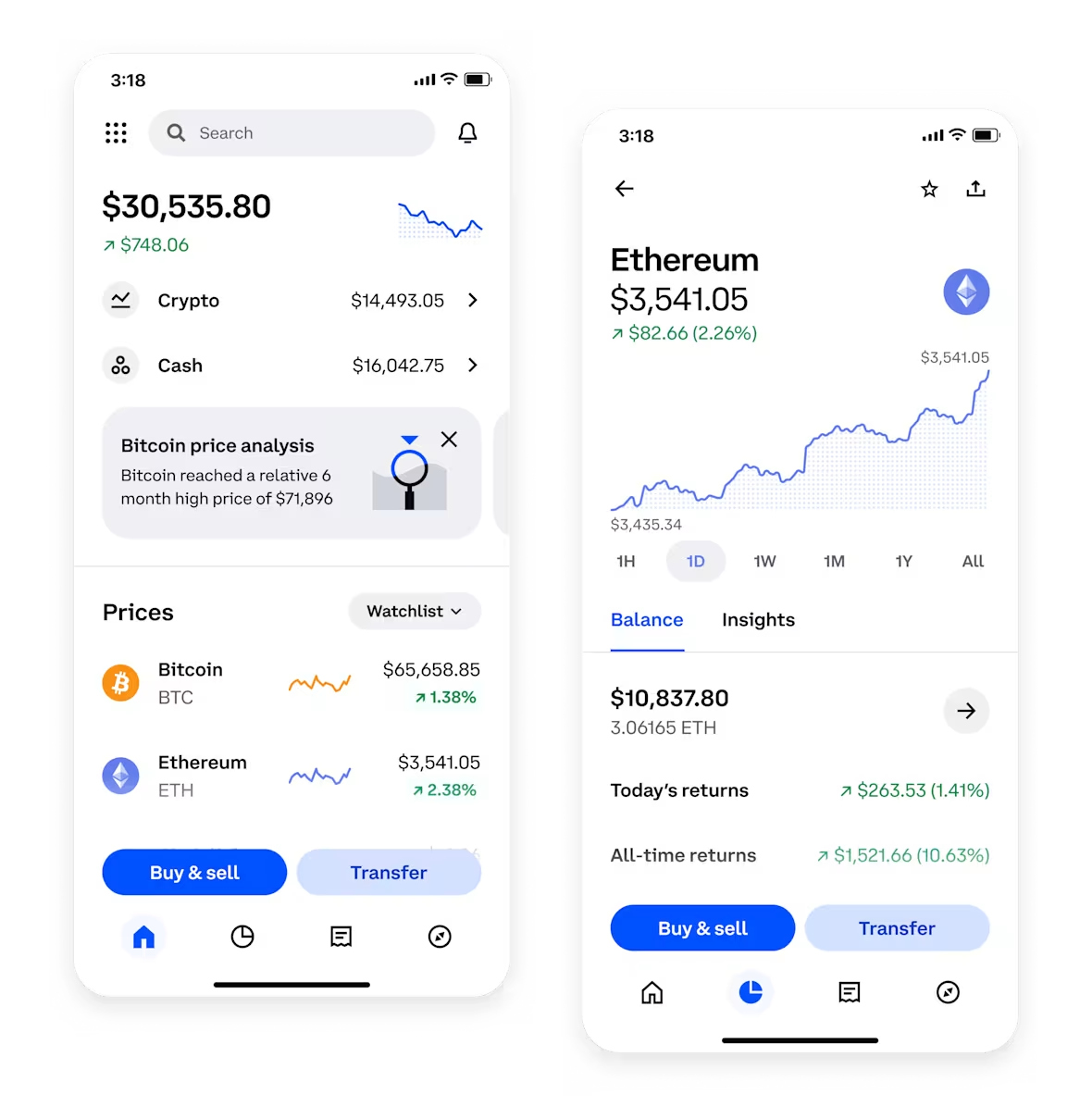
Once the token is added to your SafePal wallet, you can receive SFP from other wallets or exchange platforms. Now, to use SFP on Binance Exchange, you need to deposit the token from your wallet to your Binance account. Go to your Binance app or website, click "Wallet" and then "Deposit". Search for SFP, copy the deposit address, and paste it into the sending field of your SafePal wallet. Confirm the transaction and wait for network confirmations. Usually, this takes a few minutes on Binance Smart Chain.
After the SFP tokens appear in your Binance Spot Wallet, you can use them for various purposes. You can trade SFP against USDT, BNB, or other trading pairs on Binance. Alternatively, you can stake SFP in Binance Earn to earn passive income. Many users also use SFP to pay for fees within the SafePal wallet ecosystem, though this function does not require Binance Exchange itself.
It is important to note that Binance and SafePal are separate entities. SafePal is an official partner of Binance, but the wallet does not automatically connect to your Binance account. You must manually transfer tokens between the two. Also, always check for withdrawal and deposit fees. Binance charges a small fee for SFP withdrawals, and SafePal may charge network fees for sending transactions.
A common issue is forgetting to set the correct network. If you send SFP on the BEP-20 network from SafePal to Binance, both sides must choose BEP-20. Sending on the wrong network, such as Ethereum ERC-20, may result in lost funds. Binance supports multiple networks for SFP, including BEP-20, ERC-20, and sometimes BEP-2. Double-check the network label before confirming any transfer.
Finally, keep your SafePal seed phrase secure. Your wallet is non-custodial, meaning Binance cannot recover it for you. If you lose access to your SafePal wallet, you could lose your SFP tokens. To maximize security, enable two-factor authentication on Binance and use the hardware wallet option within SafePal if available. By correctly adding SFP to your wallet and using it on Binance, you unlock a flexible way to trade, earn, and manage your crypto assets.

发表评论